I have recently read two Op-Ed pieces concerning the lead up to the Putin war to re-assimilate Ukraine, one by Thomas L. Friedman and another piece by Robert Gates expounding his thoughts on future of threats from China and Russia and a return to military buildup by the U.S. and bringing back aid programs. The first piece I read talked about how the North Atlantic Treaty Organization (NATO) probably helped to push Putin into a corner from which he now fights to regain former Soviet states in a new Russian empire where America and NATO could share the blame. That line of thinking came from two NATO actions after the cold war ended. First, was there a need for NATO without a Soviet threat? With NATO answering that question themselves with immediate pandering and enticement of former Soviet eastern block countries to sign on with NATO. From a short sighted view at the time, the leadership (NATO) probably felt this was olive branch to these countries and means to lay ground work for NATO autonomy to act in the region should the need arise. While that sounded great on paper, based on Gates new thinking, which is really a return to old school thinking, the proper actions now and probably back then would have been aid to ensure these countries could develop sustainable democratic governments. Given we don’t know what the global political stage would look like without NATO, I have to believe that having NATO in light of Putin’s war is currently an asset even if it’s just unifying voice for member states to decry the invasion and implement sanctions.
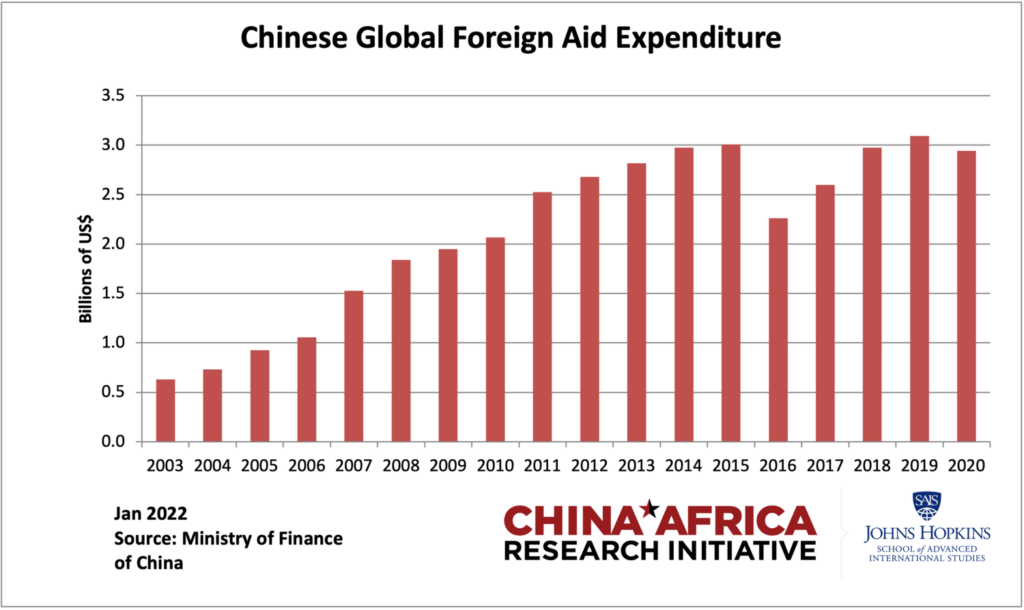
Gates recommended new/old approach is a larger military, a functioning congress, aid programs, and vanquishing the DOD bureaucracy that hinders new development of the weapons of war and killing inefficient efforts whether it’s bases that exist only for a couple of specialized programs and political connections by high ranking members of congress which makes closure of bases and projects nearly impossible. A larger military appears to be our only move at the moment given the brush Gates uses to paint a not so rosy picture of our global future. A functioning (bipartisan) congress – having worked in local and state government for 30 years equally split between the two with a task force assignment to the federal government my last two years, I have to admit my opinion could be jaded. I fail to see any elected official from a board of alderman to the U.S. Senate that can run for office without campaign coffers filled with special interest money that stifles any ideas these politician’s have of truly representing their constituent’s interests. Term limits will never happen and, if they did, I suspect you would see a round robin of former politicians retaking their same role with a power sharing deal amongst the people in office now where one runs for office this time around; the other candidate the next, ensuring their party maintains the hold on that slot which may be helped with gerrymandered voting districts. On aid programs, the U.S. return to a semi-isolationist agenda under recent administrations has allowed other countries to fill the gap. I said something to this effect at the start of the previous president’s term: Adopting an isolationist policy will leave many gaps in developing countries like Africa that will quickly be filled by the likes of China. A recent review of aid to countries in Africa shows 35 countries currently receiving aid from China on infrastructure projects alone. If we adopt an aid strategy, god forbid we see the same failings from the past where we prop up current leaders only to have them turn in maniacal oppressive dictators down the road. U.S. Aid needs to lead a country out of dependence on foreign aid through education, building sustainable domestic production, and pull aid whenever we see it leading to corruption. On DOD bureaucracy the Colonels and Generals seem to be very similar to long term politicians who thwart attempts to usurp their power, which at times, means keeping the status quo. Perhaps there needs to be term limits for position assignments to ensure fresh viewpoints but reward reductions in red tape and limit approval processes to three tiers with time limits to ensure projects move forward or die.
These are my thoughts. Our government needs to consider the opinions of these editorials and assess what our place on a global political stage will look like in two years time. If we delay further, I think we are setting ourselves up for a scenario where we will no longer be a broker of power, but an observer in a world where we hold little influence.